
The simple things are not so simple
I just returned from the Chavaya Festival—a Jewish Renewal music festival in the Pacific Northwest, with concerts, dancing, workshops, community meals, and beautiful outdoor Shabbat services.
On Shabbat, I had the opportunity to introduce and read a passage from the Torah scroll. Afterwards, people asked me to write down what I had said.
So here it is. Read to the end for an unexpected twist.
(TL;DR): The simple things in life are not so simple. Practical problem-solving can be hard. Growing inside as we face challenges can be hard too. And sometimes, a little laughter helps us get through.
I love the passage of Torah I am about to read—it’s the basis for a vision of conscientious objection to war.
But today I want to read it differently, as if it speaks to us in every situation.
Here is the gist of the reading. When young men report for military service, the officers will say to them, “Do you have a new house, a new vineyard, an upcoming wedding? If you do, go home and live a little before serving. And if you have a gentle heart, not suited for battle, you go home too” (Deut. 20:5-8).
Think of this as one beautiful vision of what makes life worth living: home, family, food, and a heart at peace with it all.
And think about how you cultivate a heart of peace in a life filled with things that sound simple—but are really very complicated.
Home: finding one, paying for one, managing a household, getting everyone to do their part.
Family: people of all different personalities thrown together, carrying who-knows-what into each other’s lives, and expecting them to share the burden.
Food: eating safely, feeding others, and learning to make it taste good.
None of this is simple, but it is all part of the basic practice of living.
And it is filled with opportunities to develop our middot, our ethical and spiritual qualities.
Resourcefulness. Patience. Self-knowledge. Creativity. Flexibility. Discernment.
All the big things we work on while attending to the little details of life.
In Hebrew, we call the opportunity for this inner work hashgachah peratit, personal spiritual direction from the Holy One of Blessing. Through the details of everyday life, our Inner Guide shows us exactly what we need to work on.
Are you growing spiritually every day as you attend to the little things? To your home, your family of choice, your family of origin, your garden, your kitchen?
If this teaching speaks to you, please subscribe! I’d be honoured to have you as a reader.
And would you like a blessing to support you in this work?
If so, please rise in body or spirit or come close to the Torah scroll as I chant. And then stay for the blessing:
May we be blessed with the ability to live in two different keys at the same time. To be totally immersed, passionately and effectively, in what we’re doing. And to be able to step back sometimes and observe ourselves–with the help of the Holy One of Blessing, the Shechinah, the Inner Witness, or whatever name you call the archetypes of wisdom that live inside you.
Are we doing things in a way that brings joy to ourselves and others? Or are we doing them in a way that brings harm to ourselves and others? And, if so, can we change the way we walk in the world, step by tiny step? As you walk this journey of life, may you be blessed with health, success, happiness, and…
At this exact moment a guy on a motor-powered hang glider flew overhead. We waved at him—all 300 of us. He waved to us. And we all laughed.
There it is! There’s the symbol! There’s the archetype! The inner guide watching from above! And let us say Amen!
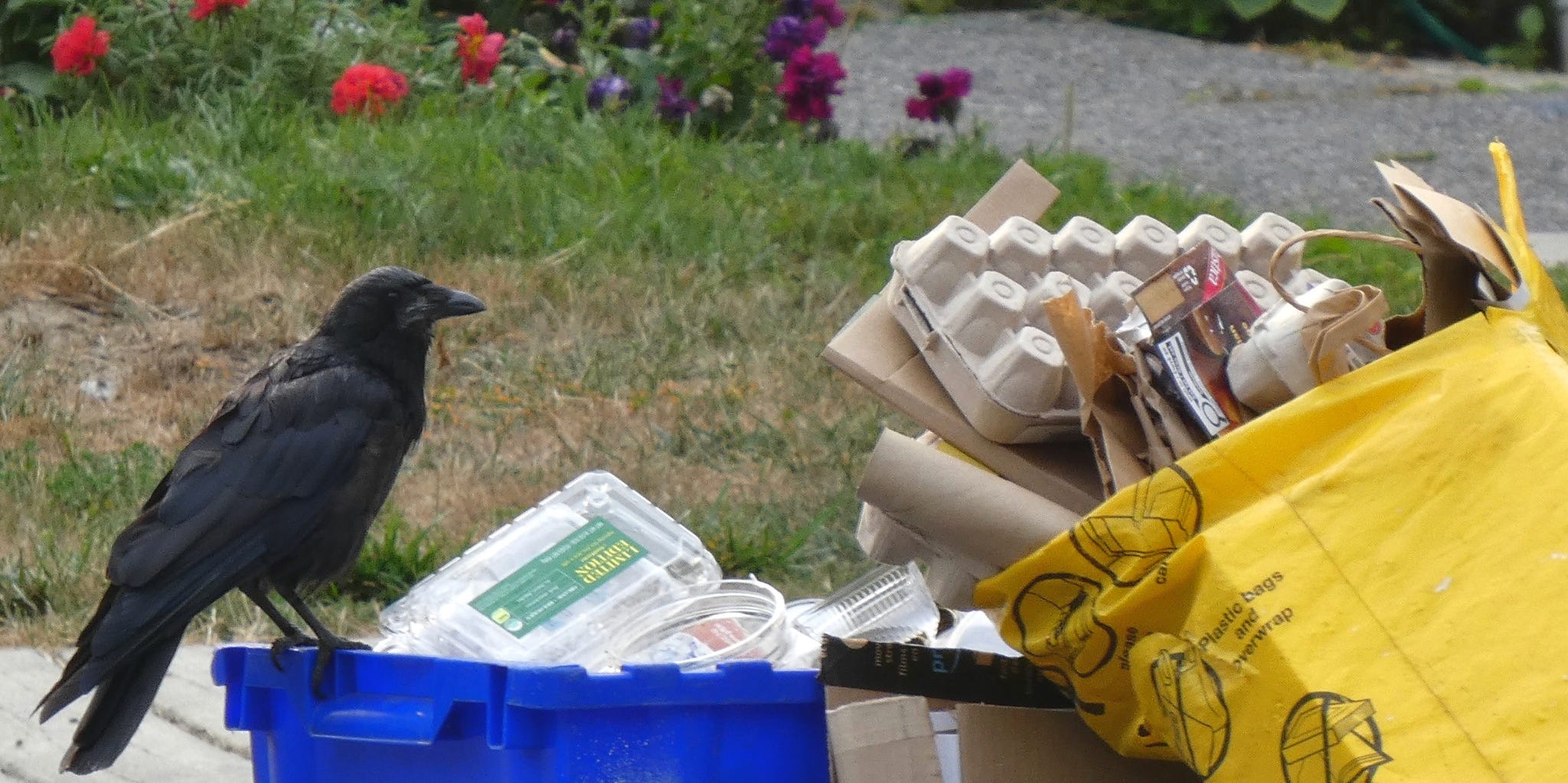
Photo credit: Laura Duhan-Kaplan.
Optional note for scholars: this post includes two interpretive translations. (1) The “gentle heart.” Please see a more developed discussion in the article linked with the words “conscientious objection” in the paragraph below the photo. (2) “Hashgachah peratit” literally means “particular supervision.” The theory is: God attends to the general laws of nature, but also to the particular life of each individual creature.
