
The ark, the raven, and a place that knows how to find balance
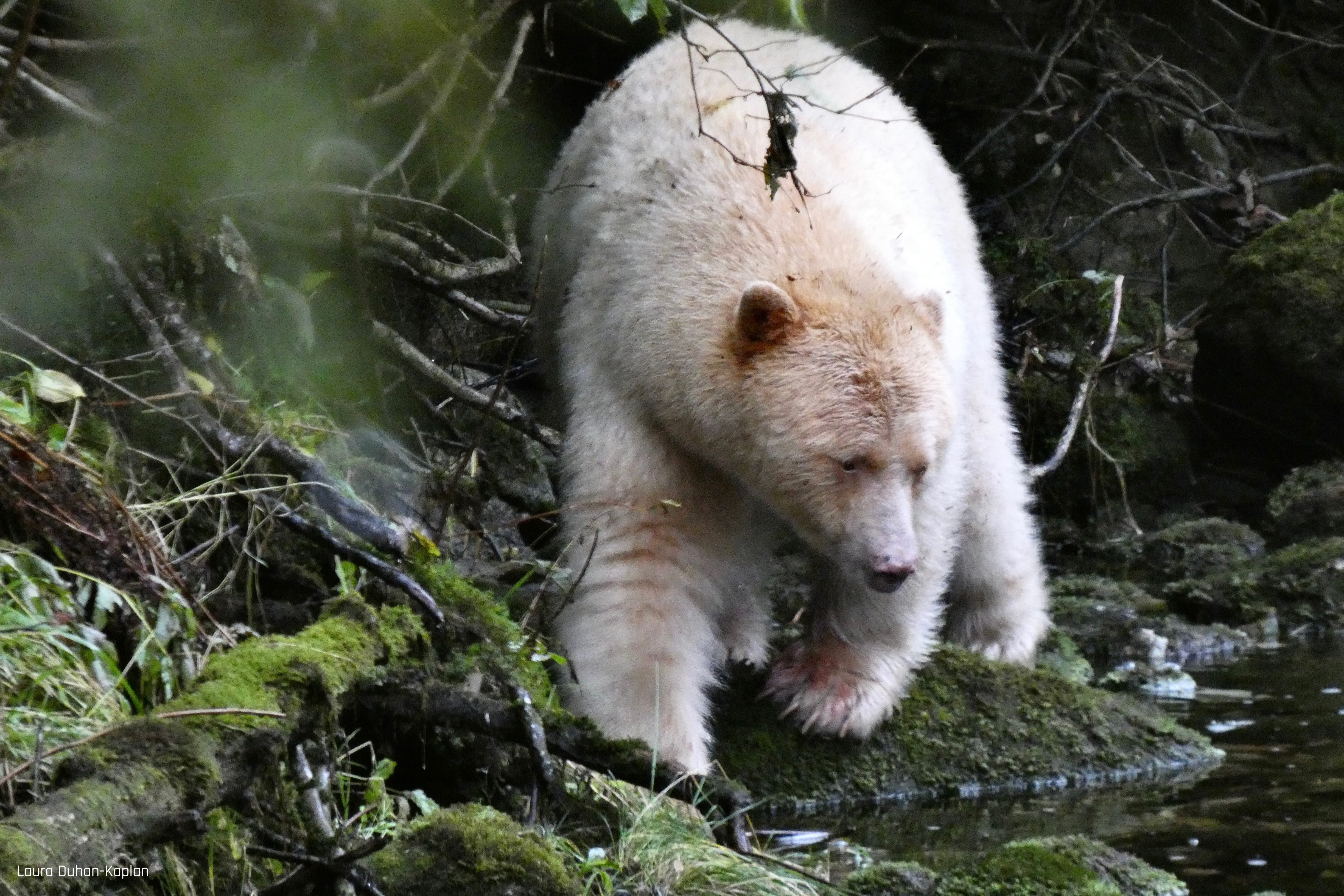
The Great Bear Rainforest—named after the Spirit Bear, of course. Our family just returned from a visit.
This Rainforest is a protected wilderness area along Canada’s west coast, created after long negotiations between the Coastal First Nations, environmental groups, and the provincial government of British Columbia.
It’s quite a rainforest—full of water. Saltwater basins and freshwater rivers. Towering mountains topped with glaciers. Tiny peninsulas with shallow beaches. Rivers glistening with spawning salmon.
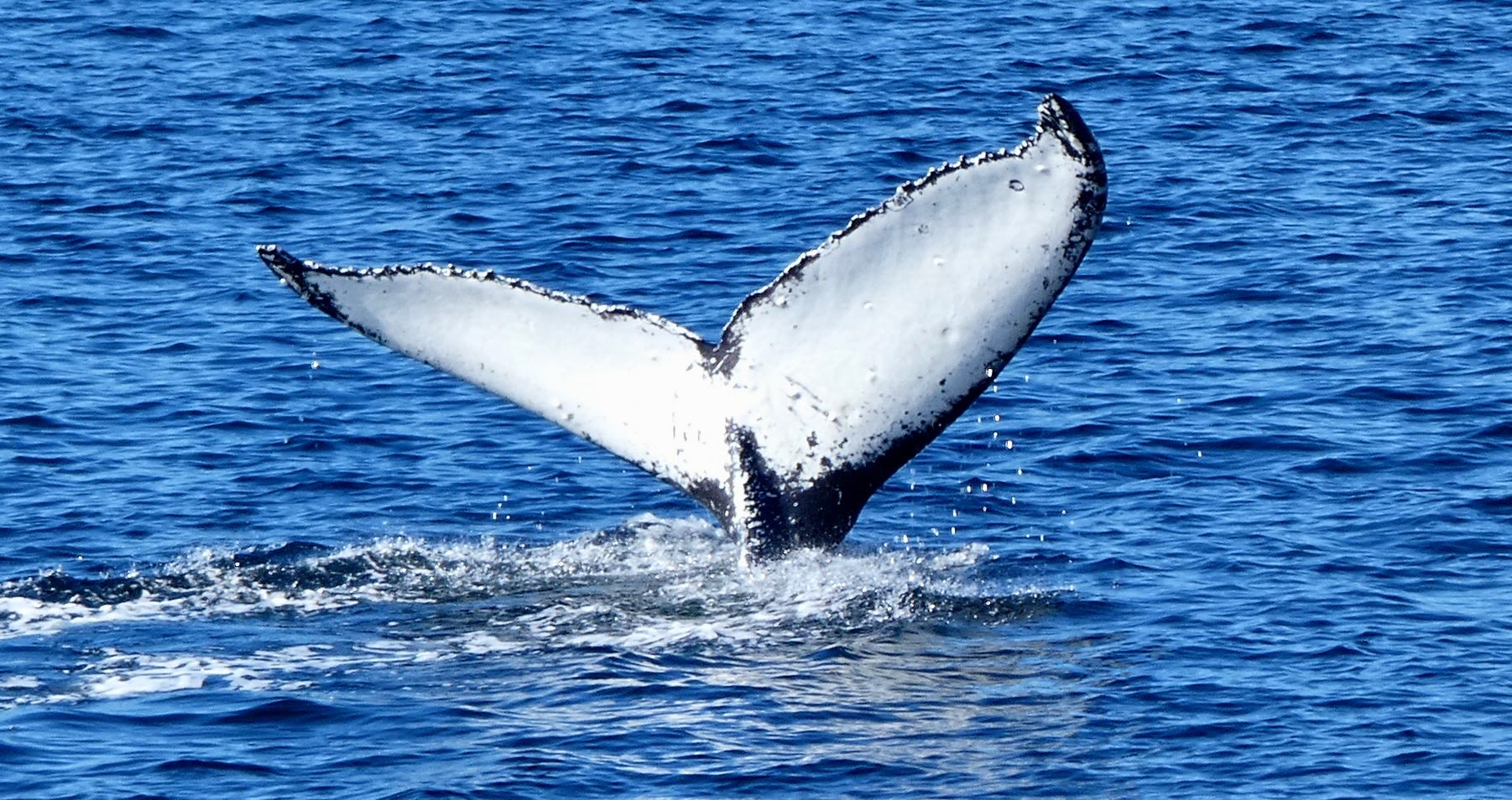
In the deep fjords, humpback whales dive and feed and play. Shellfish cling to steep rock walls.
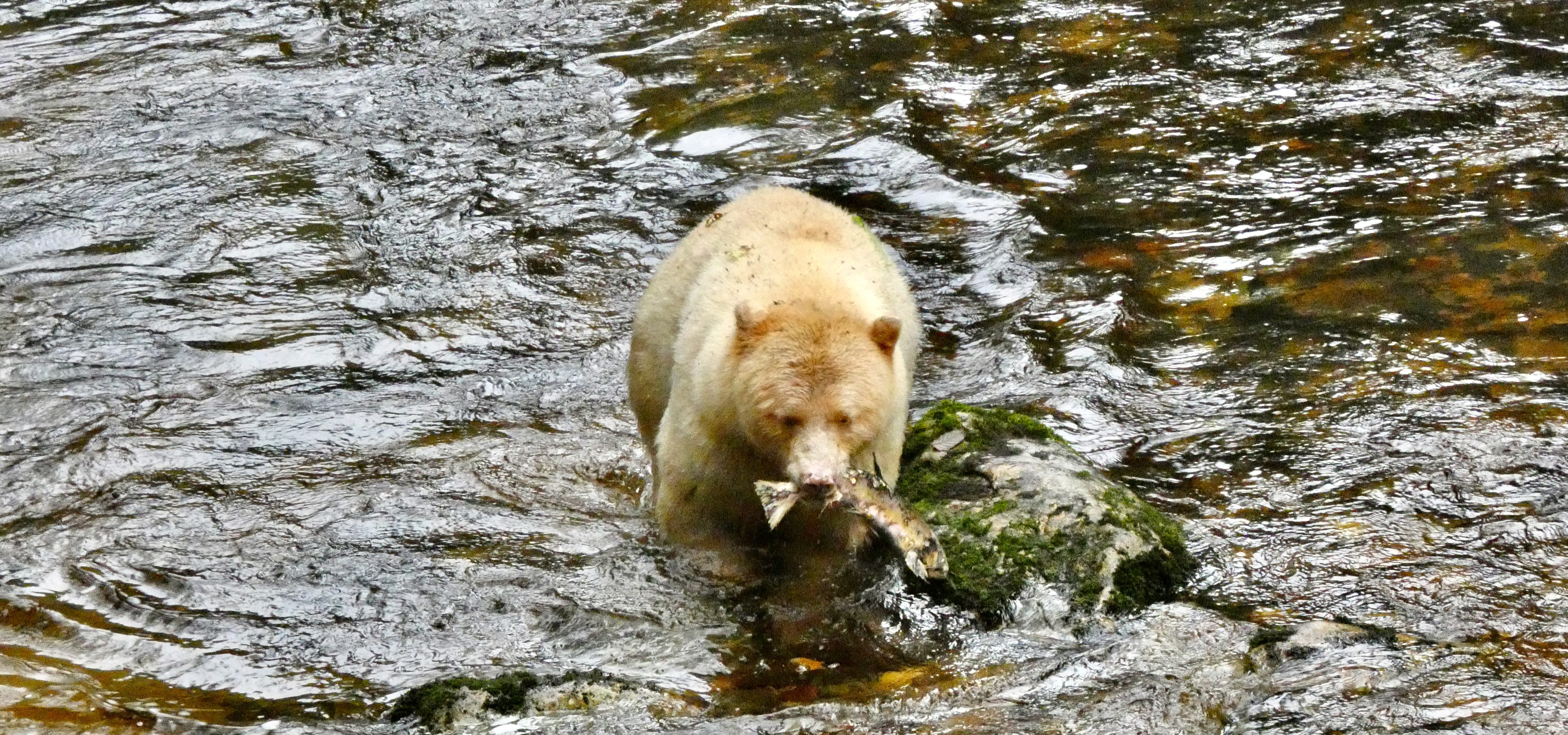
Along the rivers, Spirit Bears, black bears, and grizzlies feast on the salmon, storing calories for their long winter fast. Gulls stand by each grizzly’s mouth, waiting for the leftovers. Indigenous families host seasonal villages, fishing, hunting, and gathering fruit in the groves they planted.
Above it all, at the tops of the highest old-growth trees—spruce and cedar, fir and hemlock—sits the raven. Higher than the seabirds, higher even than the eagle, the raven watches all, commenting in its throaty, trilling language.
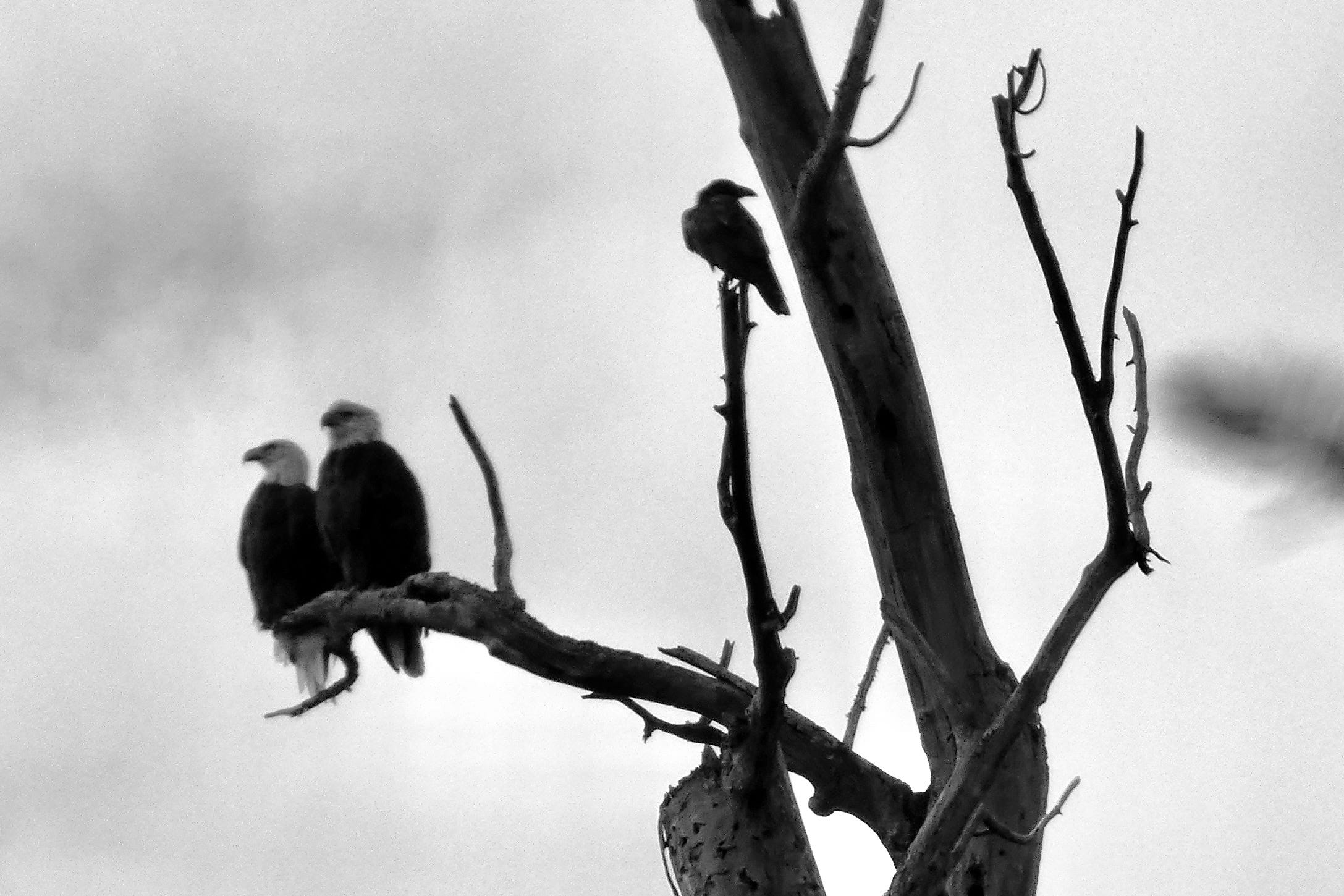
Theologian that I am, I thought, of course, of Noah’s Ark. Humans can visit this waterscape only by boat—as only a boat could navigate Noah’s flood. After just one day of heavy rain here, the rivers swelled—imagine how they must have swelled after forty days of Biblical rain! Species here find a balance, eating their fill, and then leaving each other in peace—how challenging it must have been for the animals on the ark to find a new balance in just a year! And without the familiar woods and rivers and rocks and beaches they loved.
I thought, of course, about the fragility of the earth and its creatures. And about human violence—even this remote idyll is not safe from it. This region, rich in resources, was carefully managed for millennia by small Indigenous communities. But corporate and imperial invaders seized it, expelling people with threats of violence, fracturing communities by taking children, building without regard for the land. Just as people must have done in Noah’s time, when the earth was filled with violence.
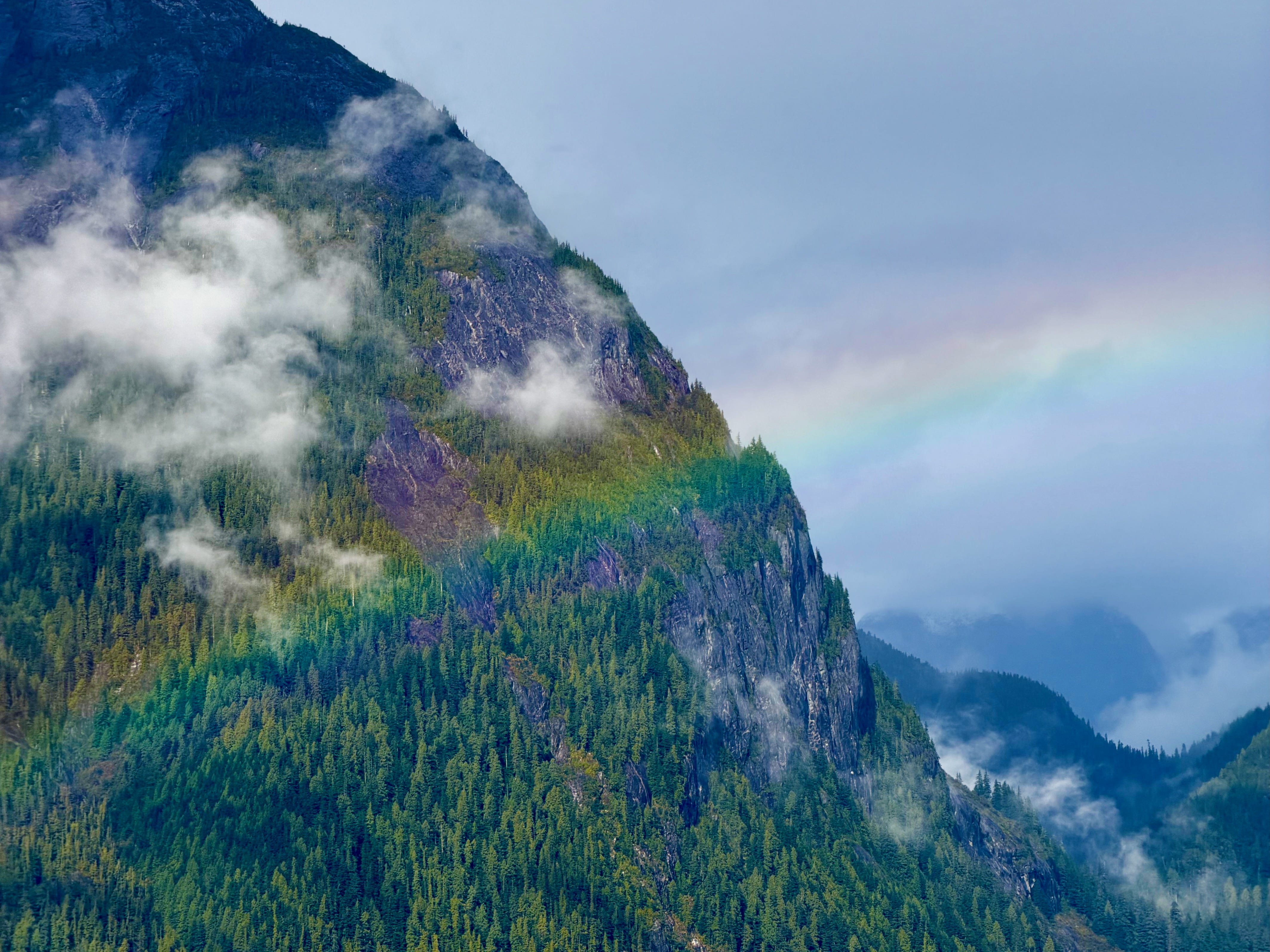
When I saw the rainbows—the rainforest has so many—I thought about their beautiful promise. Here is a place that needs both rain and sun. So, every day rain and sun kiss a little bit, sharing the radiance of their love, proving that creatures in community can find a balance.
And I thought about the raven scout Noah sent out. Did the tallest tree tips poke through the floodwaters yet? If they did, Raven would find them. And return in the evening with a throaty, trilling report. Then, after one particularly promising report, Noah would send a dove to find out if the ground, too, was dry. And, when it was, Noah would come out to see the sun kiss the raindrops goodbye.
Then, he would reflect on that year of finding a new balance, together with his community of creatures. He would feel as though he received a revelation. Here, he would imagine, is a new way of living, a way of mutual respect between all species.
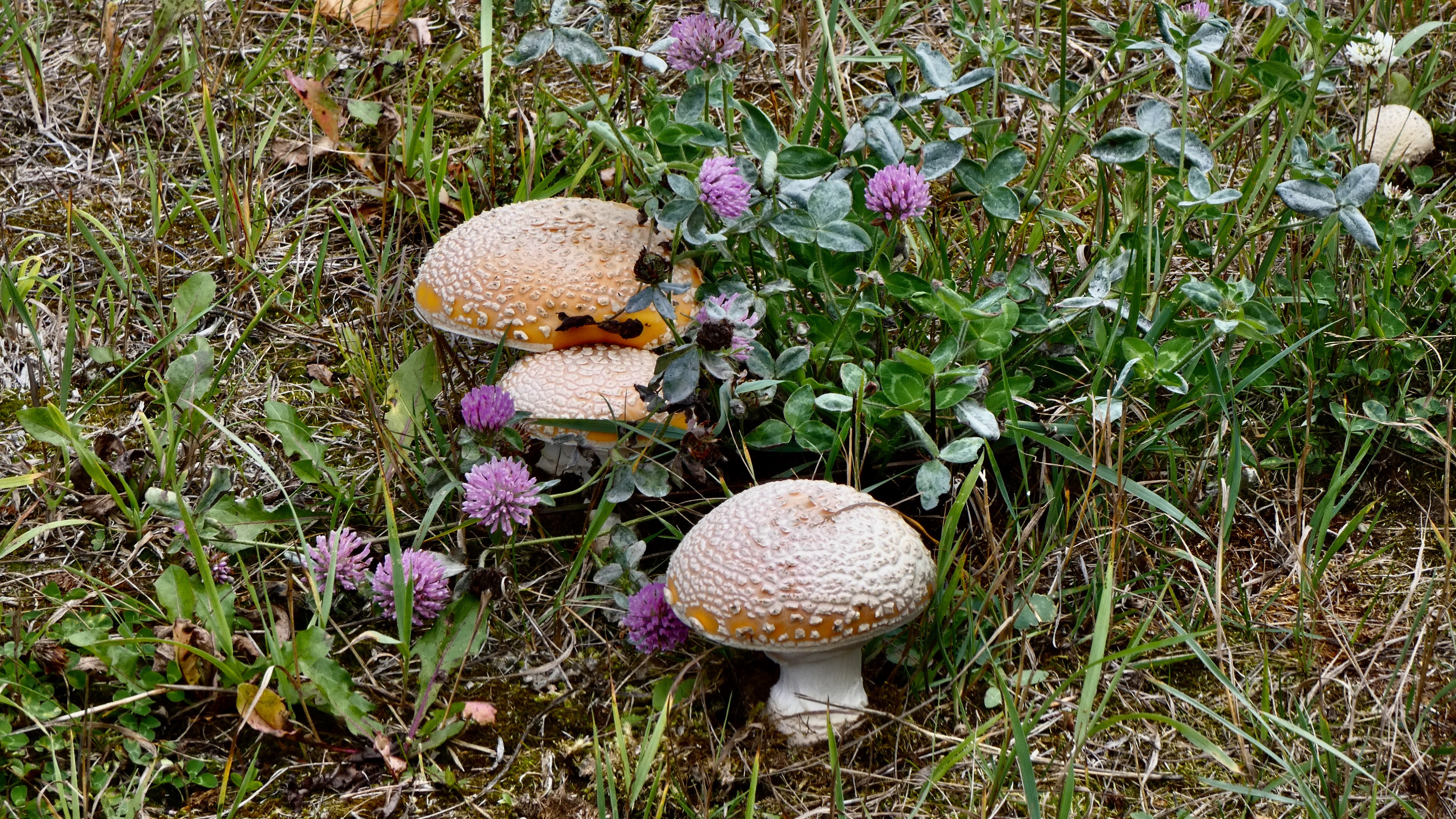
Maybe, in that moment, Noah channeled something like Perek Shira, the Song of Creation. Perek Shira is a mysterious old hymn (c. 10th century) in which each creature sings a unique biblical verse. For example, the bear sings, “Let the wilderness and its cities lift up their voice…” (Isaiah 42:11). The raven sings, “Who prepares food for the raven, when its young ones cry out…” (Job 38:41). Maybe Noah heard all the creatures’ voices weave in a cacophonous harmony that somehow worked.
Why does each creature sing the verse it does? Perek Shira does not tell us. Maybe it invites us to find our own answers. To learn how the creatures live. And to explore old stories where our ancestors share what they learned—and preserved it in fragments of Torah, midrash, and kabbalah.
If you want to study Perek Shira, please join me for a virtual course this November, hosted by Or Shalom Synagogue. It meets online on November 3, 17, 24, and December 1 at 5:00-6:30 pm in Canada’s new mysterious time zone PCT. (That’s USA Pacific 4 pm; Mountain 5 pm; Central 6 pm; Eastern 7 pm.) Course fees are $36 for Or Shalom members, and $72 for non-members. All funds collected go to support the synagogue. Register here.
Returning Perek Shira students: please be advised that we will explore different material in this one! And that I will bring the energy of the Great Bear Rainforest and invite you to bring the energy of your special places as well.
